Kibale Forest Chimpanzee Experience
Kibale National Park is a national park in Southern Uganda, protecting moist evergreen rain forest. It is 766 square kilometres in size and is located between 1,100 metres to 1,600 metres in elevation.
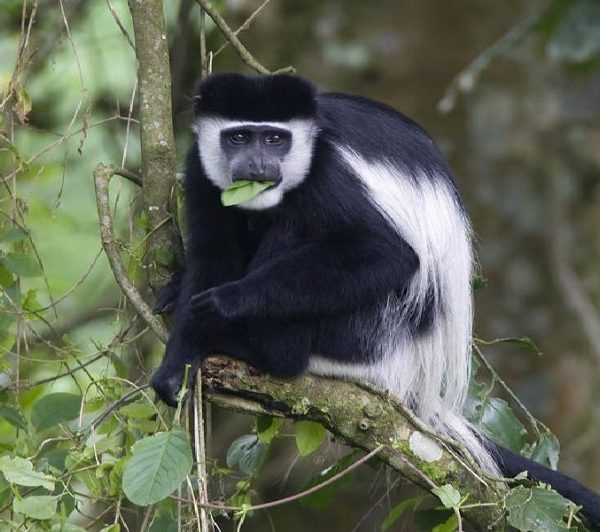
Begin exploring the wonders of this fascinating region of Africa with our top attraction – the Chimpanzee Safari in Kibale National Park. Deep in the evergreen rainforest of Kibale, you will come face to face with man’s closest living relative. Kibale forest is the best place in the world to see Chimpanzees in the wild. The forest is frequently used by documentary film-makers, including the great Attenborough. With the highest density of Chimpanzees in the world, and with 13 other rare primates, the enormous Kibale forest is a world treasure. It is advisable that you book your travel as soon as you identify your travel dates on your calendar, since there is sometimes scarcity in Chimp permits.
Semuliki National Park
Size: 220km² with an altitude of 670-760m above sea level. Semuliki Forest Reserve was created in 1932 and upgraded to national park status in 1993. It is the only tract of true lowland tropical forest in East Africa, hosting 441 recorded bird species and 53 mammals. Large areas of this low-lying park may flood during the wet season,a brief reminder of the time when the entire valley lay at the bottom of a lake for seven million years.
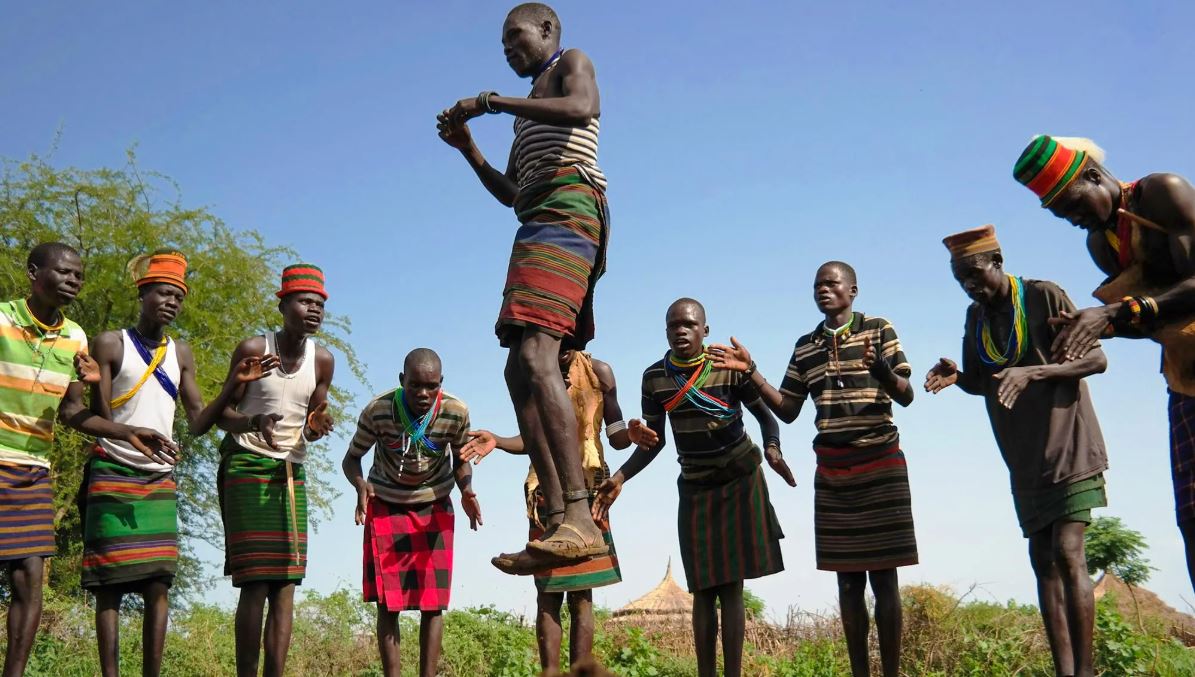
Four distinct ethnic groups live near the park – Bwamba farmers live along the base of the Rwenzori while the Bakonjo cultivate the mountain slopes. Batuku cattle keepers inhabit on the open plains and Batwa pygmies, traditionally hunter gathers, live on the edge of the forest.
Semuliki National Park sprawls across the floor of the Semuliki Valley on the remote, western side of the Rwenzori. The park is dominated by the easternmost extension of the great Ituri Forest of the Congo Basin. This is one of Africa’s most ancient and bio-diverse forests; one of the few to survive the last ice age, 12-18,000 years ago. The Semliki Valley contains numerous features associated with central rather than eastern Africa. Thatched huts are shaded by West African oil palms; the Semliki River (which forms the international boundary) is a miniature version of the Congo River, the forest is home to numerous Central African wildlife species, and the local population includes a Batwa pygmy community that originated from the Ituri. As a result, this park provides a taste of Central Africa without having to leave Uganda. While Semuliki’s species have been accumulating for over 25,000 years, the park contains evidence of even older processes. Hot springs bubble up from the depths to demonstrate the powerful subterranean forces that have been shaping the rift valley during the last 14 million years. (UWA,2018).
Queen Elizabeth National Park
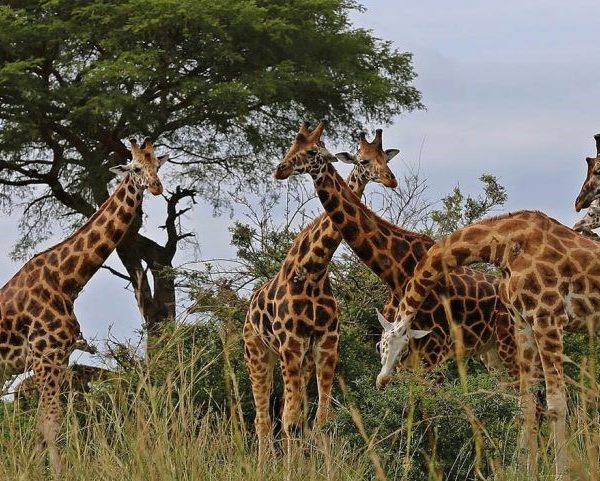
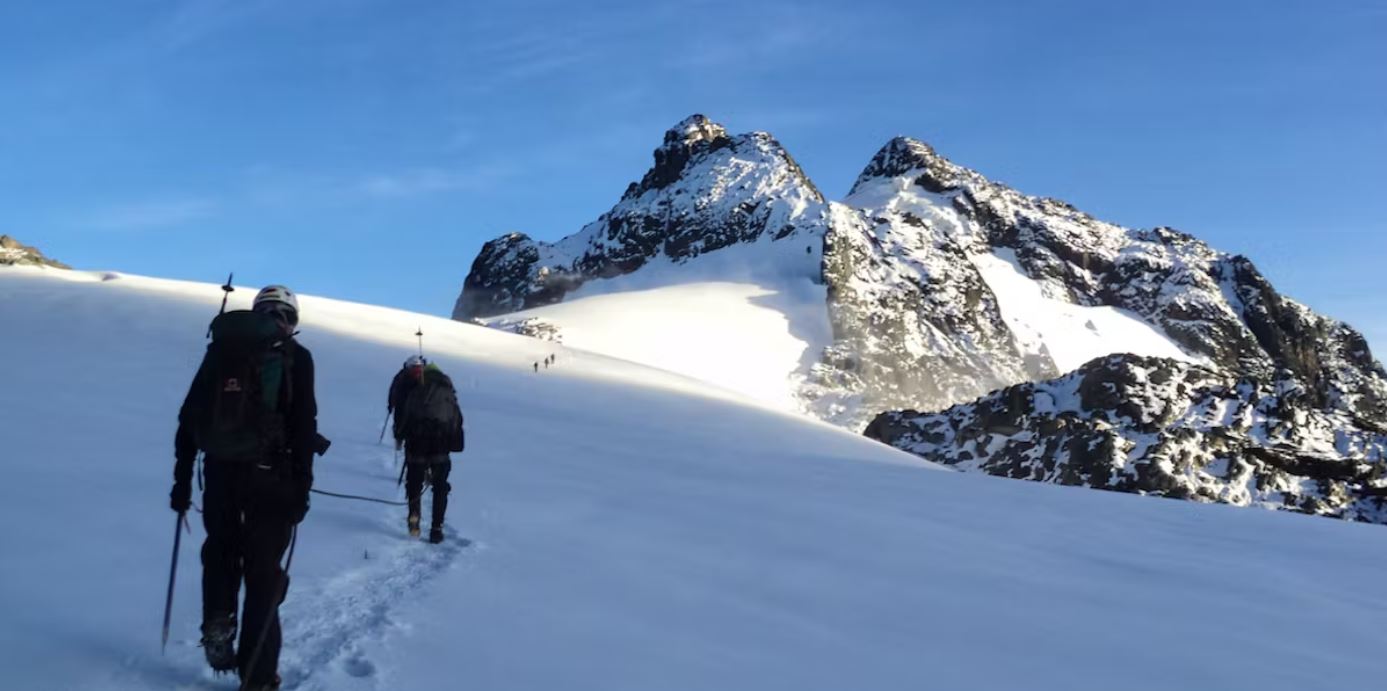
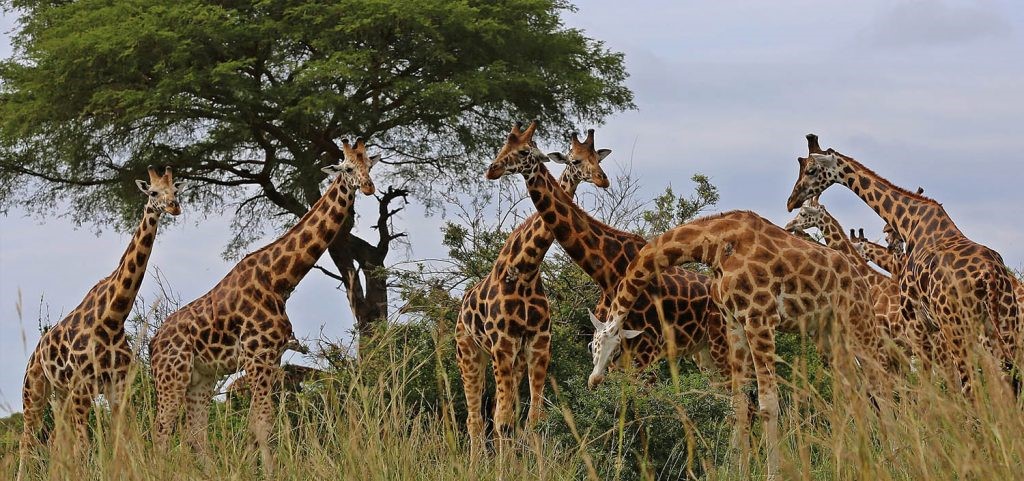
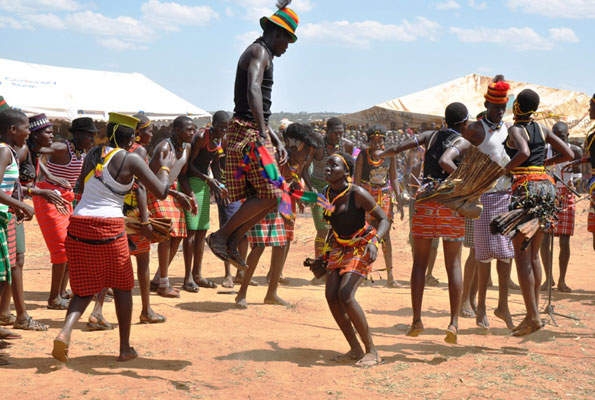
Queen Elizabeth National Park is understandably Uganda’s most popular tourist destination. The park’s diverse ecosystems, which include sprawling savanna, shady, humid forests, sparkling lakes and fertile wetlands, make it the ideal habitat for classic big game, ten primate species including chimpanzees and over 600 species of birds. Set against the backdrop of the jagged Rwenzori Mountains, the park’s magnificent vistas include dozens of enormous craters carved dramatically into rolling green hills, panoramic views of the Kazinga Channel with its banks lined with hippos, buffalo and elephants, and the endless Ishasha plains, whose fig trees hide lions ready to pounce on herds of unsuspecting Uganda kob. As well as its outstanding wildlife attractions, Queen Elizabeth National Park has a fascinating cultural history. There are many opportunities for visitors to meet the local communities and enjoy storytelling, dance, music and more. The gazetting of the park has ensured the conservation of its ecosystems, which in turn benefits the surrounding communities. Uganda’s Queen Elizabeth National Park is truly a Medley of Wonders! Size: 1,978km². Queen Elizabeth spans the equator line; monuments on either side of the road mark the exact spot where it crosses latitude 00. The park was founded in 1952 as Kazinga National Park, and renamed two years later to commemorate a visit by Queen Elizabeth II. The park is home to over 95 mammal species and over 600 bird species. The Katwe explosion craters mark the park’s highest point at 1,350m above sea level, while the lowest point is at 910m, at Lake Edward.
Lake Mburo National Park
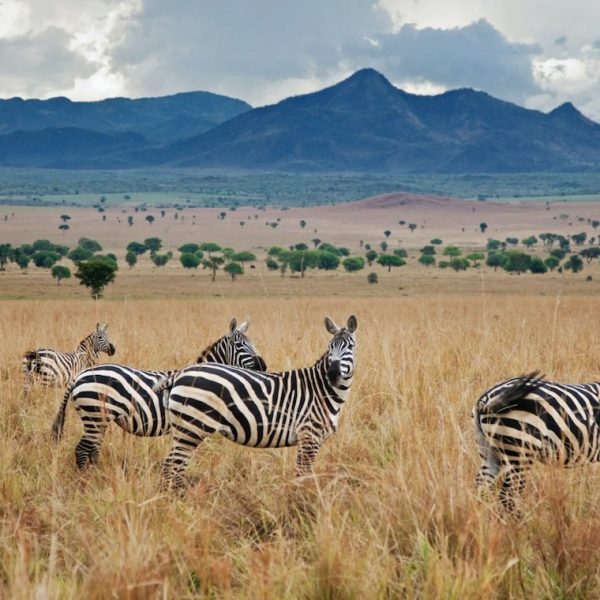
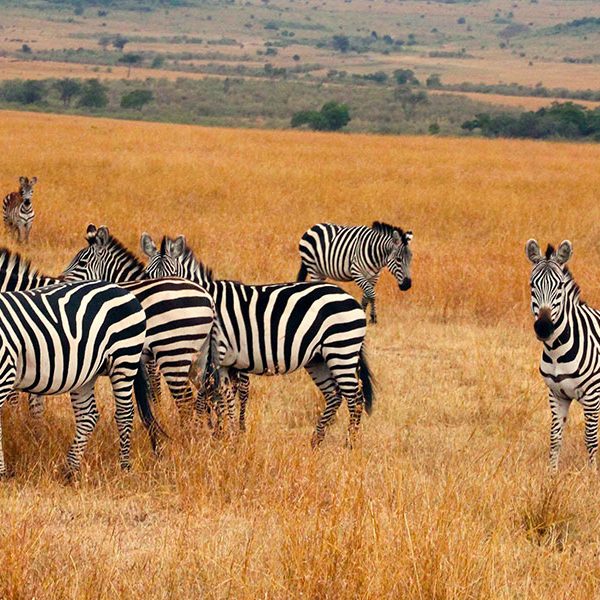
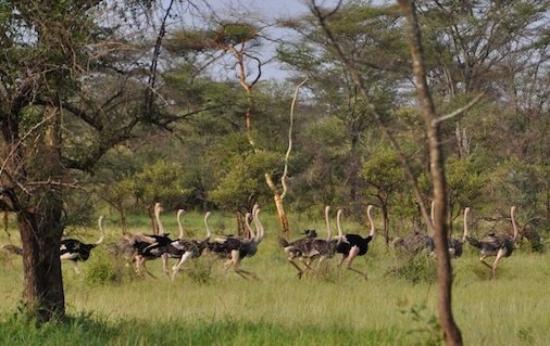
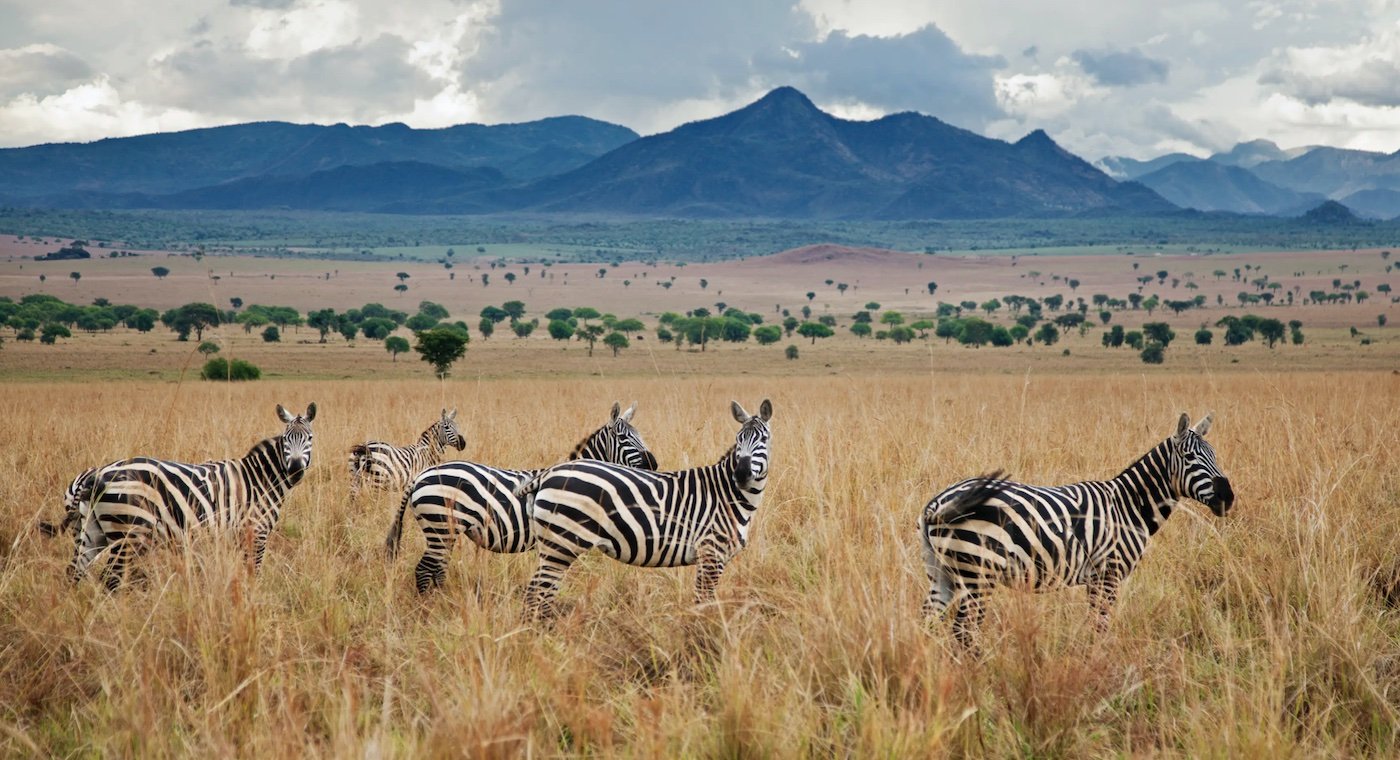
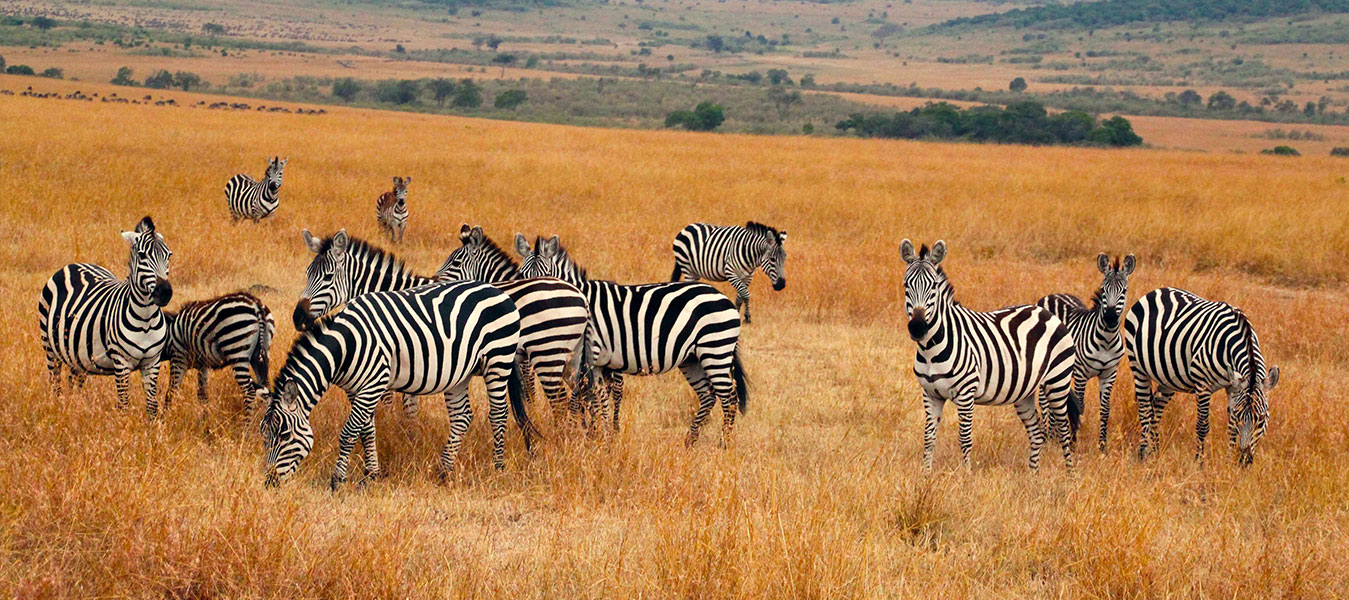
The park is 370km2 and the elevation is at 1,220m – 1,828m above sea level. Wetland habitats comprise 20% of the park’s surface. The parks’ precarious past has seen wildlife virtually eliminated several times: firstly in various attempts to rid the region of tsetse flies, then to make way for ranches, and finally as a result of subsistence poaching. 20% of the park’s entrance fee is used to fund local community projects such as building clinics and schools. Lake Mburo National Park is a compact gem, located conveniently close to the highway that connects Kampala to the parks of western Uganda. It is the smallest of Uganda’s savannah national parks and underlain by ancient Precambrian metamorphic rocks which date back more than 500 million years. It is home to 350 bird species as well as zebra, impala, eland, buffalo, oribi, Defassa waterbuck, leopard, hippo, hyena, topi and reedbuck. Together with 13 other lakes in the area, Lake Mburo forms part of a 50km-long wetland system linked by a swamp. Five of these lakes lie within the park’s borders. Once covered by open savanna, Lake Mburo National Park now contains much woodland as there are no elephants to tame the vegetation. In the western part of the park, the savanna is interspersed with rocky ridges and forested gorges while patches of papyrus swamp and narrow bands of lush riparian woodland line many lakes.
What is included
- Transportation
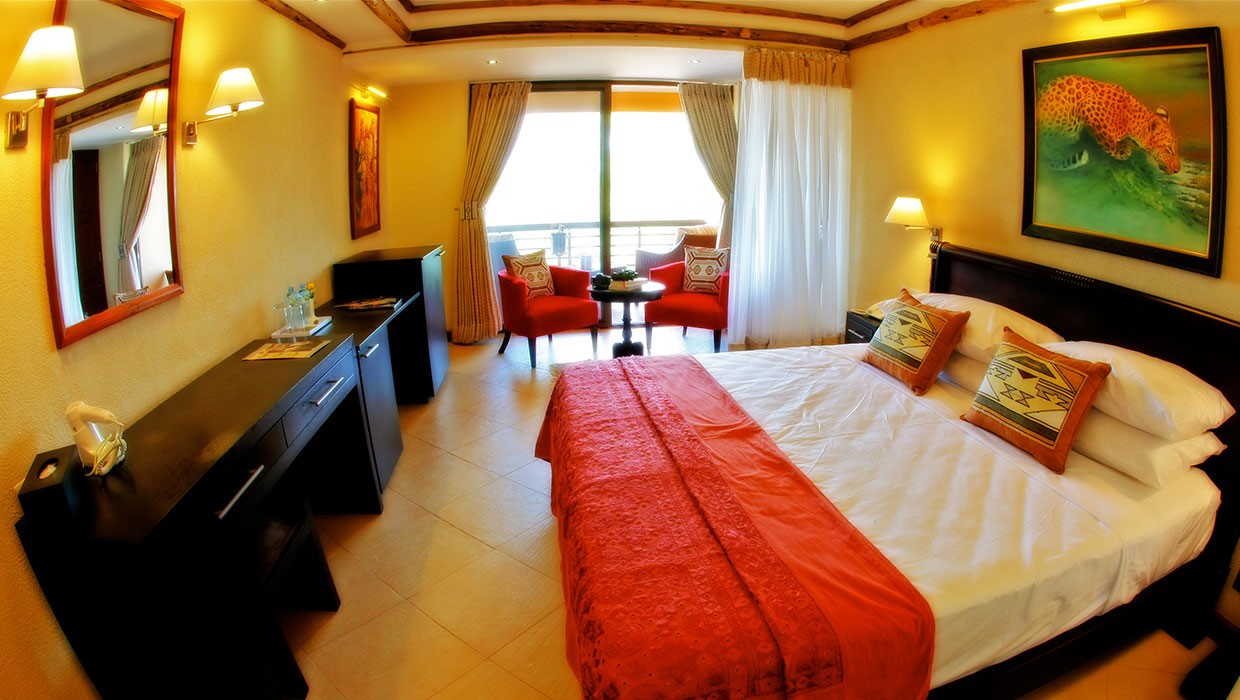
- 7 nights’ Accommodation
- English Speaking Driver/Guide
- All meals excluding drinks during the tour
- Chimpanzee Permit
- Entrance Fees
- Boat cruise on Kazinga Channel in Queen Elizabeth National Park